Should I Wait for Him? An Honest Answer
Waiting is only rational when there is something specific to wait for and a date attached to it. Open-ended waiting for someone to become ready is the most expensive thing people do in love, and it usually ends without any decision ever being made.
Pull my cards on thisCards deal the moment you tap. First reading free, no signup.
There is a version of this that is reasonable — a deployment, a divorce being finalised, a year abroad that was agreed before you met. There is a version that is not, and it looks almost identical from inside: waiting for someone to want what you want. The difference is not how much you love him. It is whether what you are waiting for has a shape.
Which cards speak to this
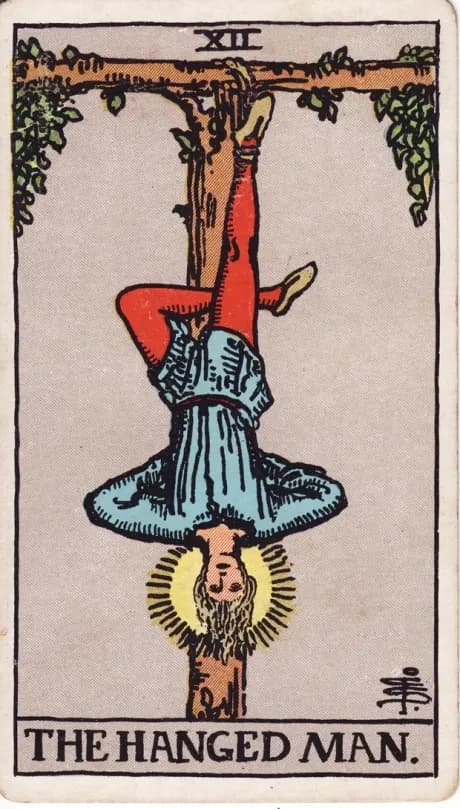
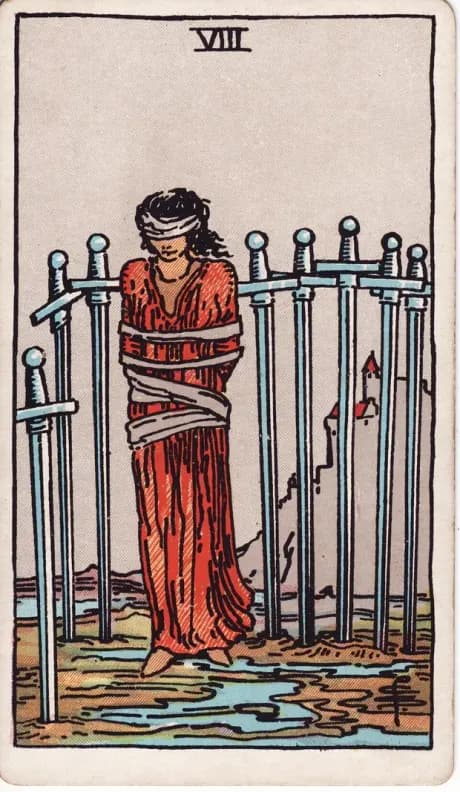
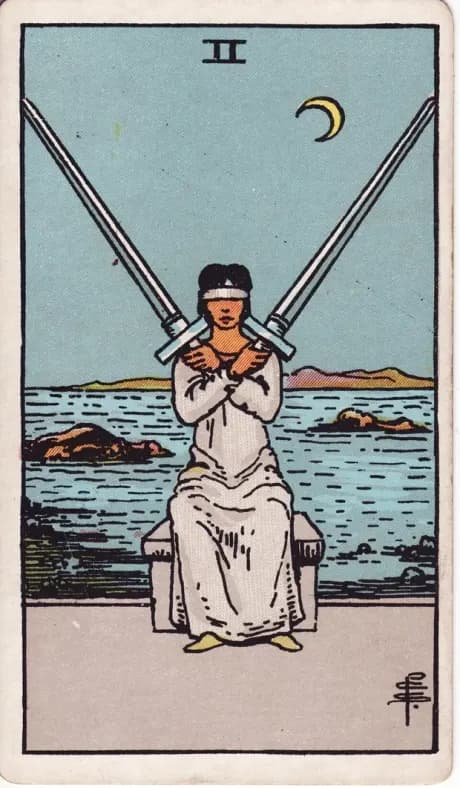
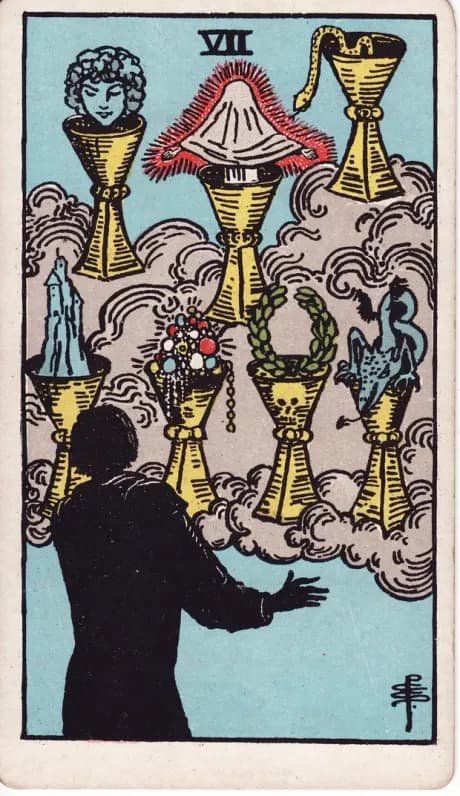
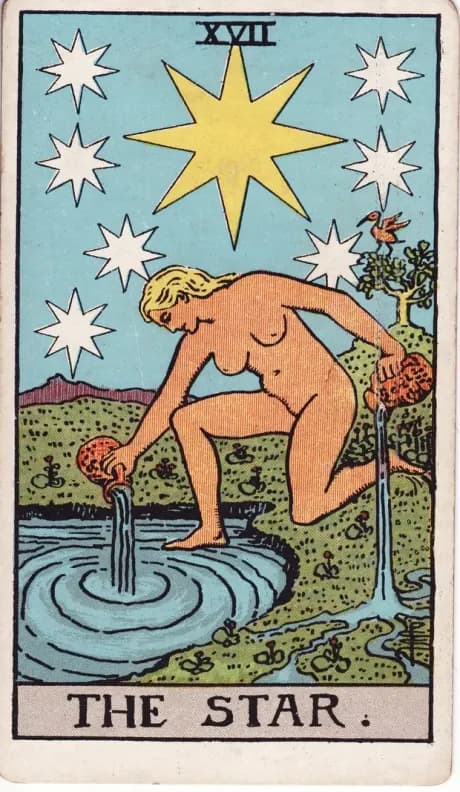
The Hanged Man is the card of the deliberate pause, and it is not a negative one — it describes suspension entered on purpose, which is what real waiting is. The Eight of Swords is its shadow: waiting that feels like a trap and is partly self-imposed. The Two of Swords says a decision is being avoided rather than made. The Seven of Cups says he is holding options open, and the Star says something worth waiting for is genuinely there — but the Star is about hope, not about arrival.
What actually tells you
Waiting is worth it when three things are true and all three are checkable.
There is a specific obstacle, named by him rather than inferred by you. "He needs time" is not one; "his divorce completes in March" is. Specific obstacles resolve. Vague ones do not, because there is nothing to resolve.
There is a date, or something that functions as one. Not a promise — an event on a calendar that either happens or does not.
And he is doing something about it. This is the one that separates the two versions cleanly. Someone genuinely on their way to being available takes visible steps; someone comfortable with your patience does not need to.
The counter-signal, and it is reliable: the obstacle moves. The date passes and becomes another date, the condition is met and a new condition appears. One rescheduling is life. A pattern of them is the arrangement working as intended.
How long this usually takes
Set the horizon before you start, because a waiting period with no end does not end — it fades, usually after a year or more, with nothing resolved and considerable damage.
For a genuine external obstacle, the reasonable window is the length of the obstacle plus a little grace. That is straightforward and rarely what people are asking about.
For a personal one — he needs to heal, get his life together, be ready — three to six months is the honest range in which you can see whether anything is moving. Not resolving, moving. If nothing has changed in six months, nothing is likely to change in eighteen, and the people who wait eighteen mostly report that they knew by month five.
There is one more clock: yours. Waiting has a real cost in the things you do not do while waiting, and that cost is invisible until it is large. Deciding in advance what you are prepared to spend is the whole of the practical advice.
What to do with this
Name the condition and the date, out loud, to him. "I can wait until March, and I need to know what happens then" turns an indefinite state into an agreement. If he cannot engage with that, you have learned the most important thing available.
Then live at full speed in the meantime. Not as leverage — because waiting well means keeping your own life, and the version of waiting that shrinks it is the one people regret. See people. Take the job. Say yes to things.
Do not put the rest of your romantic life on hold unless there is an actual agreement that you are together. A large share of this pain comes from unilateral exclusivity — behaving as though committed to someone who has committed to nothing.
And write down what you will do if the date passes. Decide it now, while you are clear-headed. The moment it arrives you will not be.
What this question usually gets wrong
The first misreading is that waiting is a demonstration of love. It reads that way from inside and rarely from outside; more often it demonstrates availability, and availability that costs nothing is not valued the way people hope.
Second: believing patience produces readiness. It usually does the opposite — it removes the pressure that would have forced the question. People become ready when the alternative to being ready becomes real.
Third: treating the ending of an obstacle as the ending of the problem. The divorce completes, the year abroad ends, and very often the new arrangement contains a new reason. If the obstacle was a symptom rather than a cause, its removal changes little.
And what a spread honestly gives you here: not permission and not a date. It shows what is actually holding this in place — whether the block is external, whether it is his, and whether the thing you are waiting for exists yet outside your own account of it.
What are you actually waiting for — a person, or the version of him you have not met yet?
Only one of those can arrive.
Cards in this answer
Questions people ask next
How long is too long to wait?
+
Past six months with no visible movement on a personal obstacle, waiting stops being a strategy and becomes a habit. External obstacles with real dates are different and can reasonably run longer.
He says he's not ready but doesn't want to lose me. What is that?
+
An honest description of a comfortable position: he keeps the connection without the cost of a decision. It is not usually malicious and it is stable, which means it will not resolve on its own.
Should I date other people while I wait?
+
Unless you have explicitly agreed to be exclusive, yes — and the reluctance is worth examining. Unilateral exclusivity is where most of the damage in waiting actually happens.
Which cards say stop waiting?
+
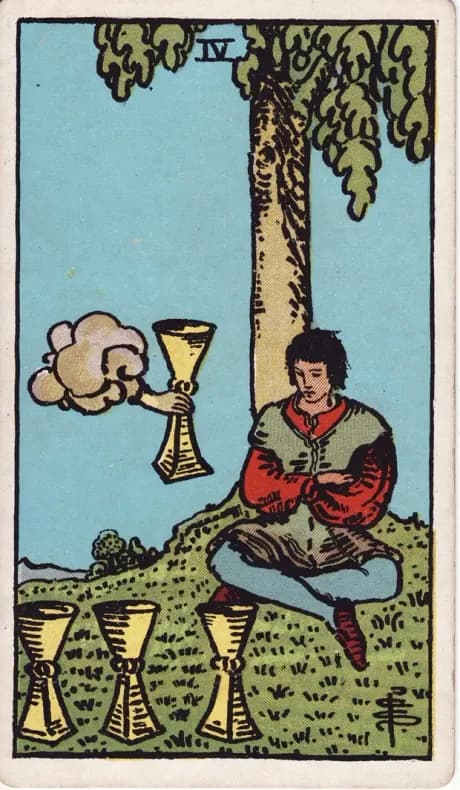
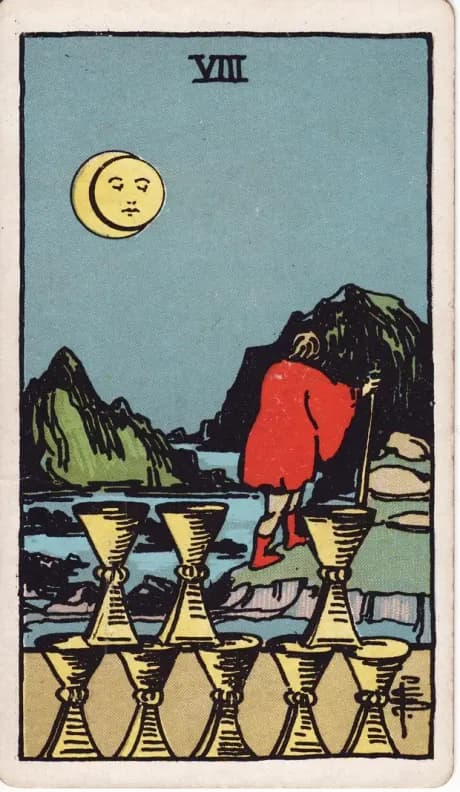
The Eight of Swords when the waiting has become a trap you are partly holding shut, the Four of Cups when what is on offer is not being seen, the Eight of Cups when it is time to walk. The Hanged Man says the opposite — a pause with a purpose.