Where Is My Situationship Going?
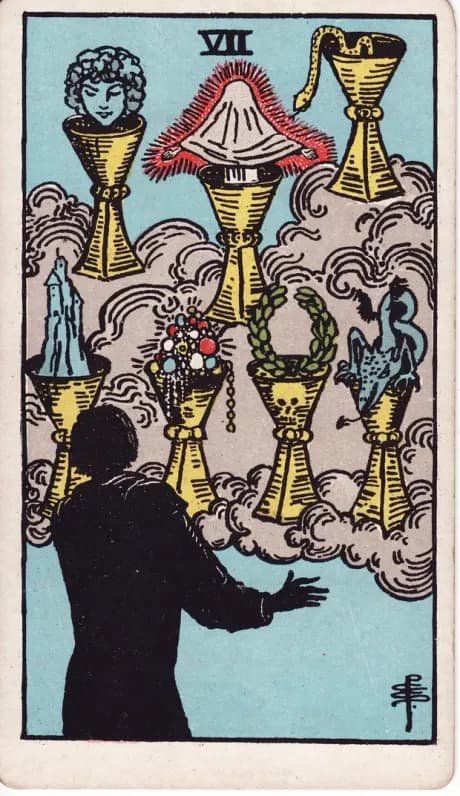
Tarot is blunt here because it reads intent, and intent shows. The Two of Cups says a real bond exists that nobody has named. The Seven of Cups says he likes having options. The Eight of Cups says you already know. A situationship becomes a relationship by decision, never by waiting long enough.
Pull my cards on thisCards deal the moment you tap. First reading free, no signup.
The situationship is modern love's waiting room: all the intimacy, none of the definition. Tarot is ruthless with these — because the cards read intent, and undefined relationships run on exactly the intent nobody says out loud. A spread shows whether this is a slow-building real thing, a comfort arrangement one person mistakes for a beginning, or a door held deliberately ajar so someone else can still walk through it.
Which cards speak to this
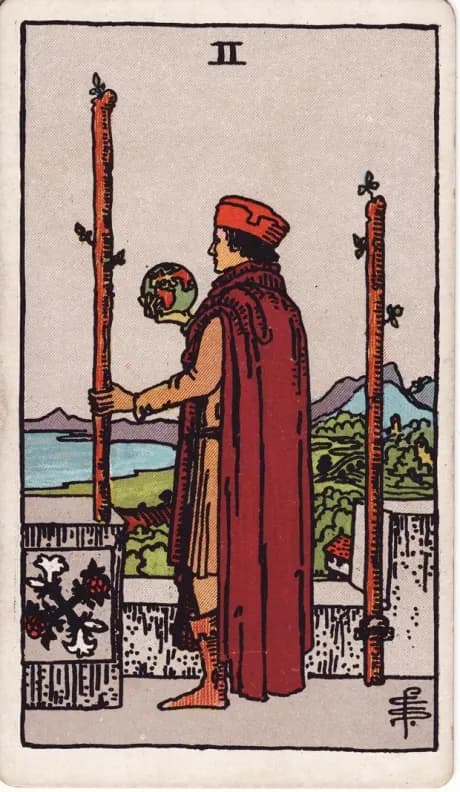
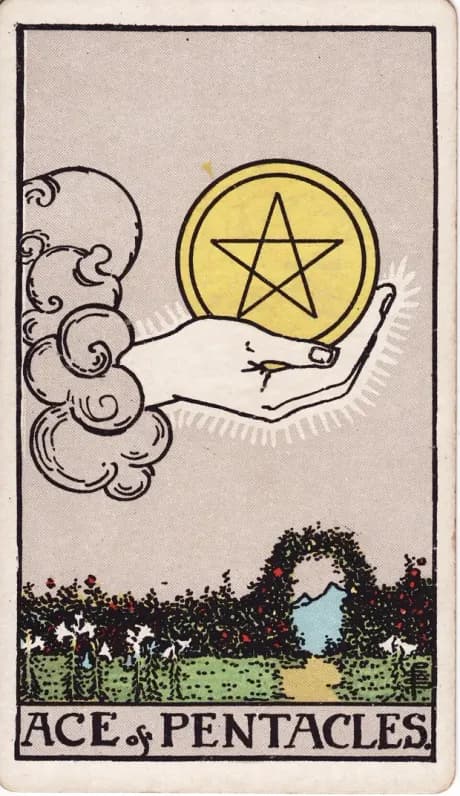
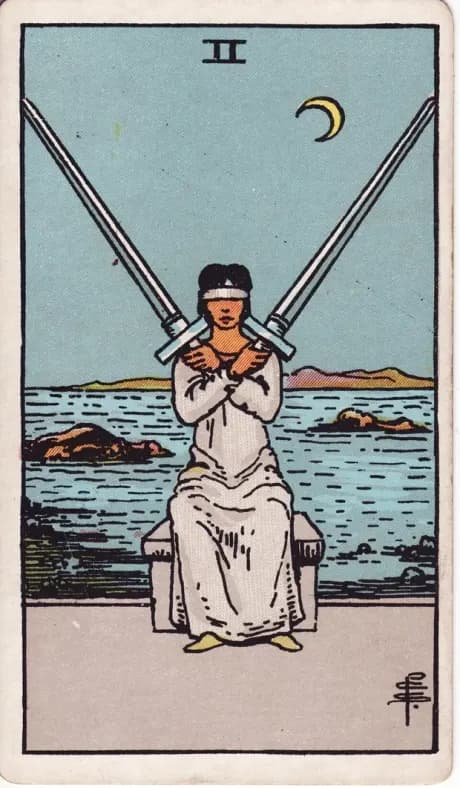
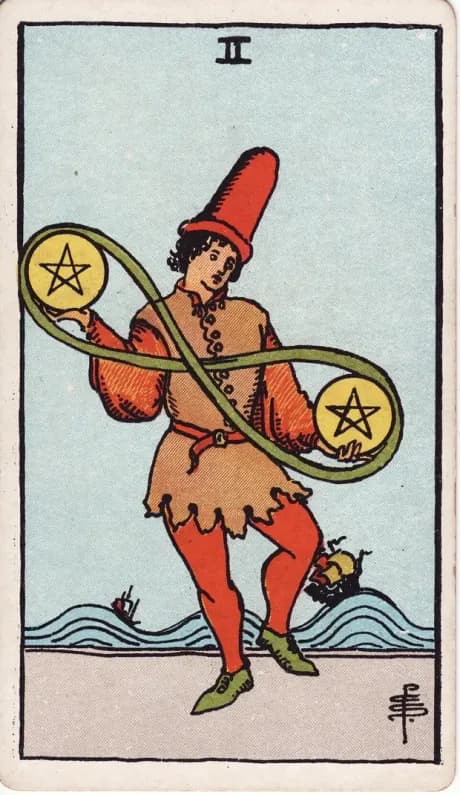
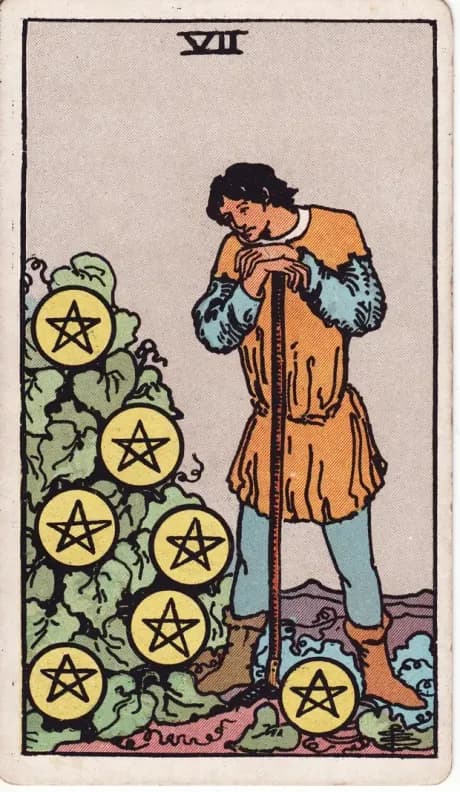
The Two of Wands means a future is genuinely being considered — plans forming behind the casualness. The Ace of Pentacles shows real-world potential waiting for investment. But the Seven of Cups warns you're one of several open options, and the Two of Swords shows someone refusing to choose at all. The Eight of Cups says you already know it's not enough and your bags are quietly packing themselves. The Lovers demands the choice be made — out loud.
What actually tells you
Situationships have a reliable tell: everything is good and nothing is decided. The evidence you want is not about how well it goes — it goes well by design — but about whether it is capable of changing shape.
Look for whether it has moved at all in the last three months. Not intensity; structure. Have you met anyone who matters to him. Has a plan been made more than a week out. Has the word been used, by either of you, without being immediately softened. If the answer to all three is no and the calendar says twelve weeks, you are not early. You are in the steady state.
Second: notice who is managing the ambiguity. In most situationships one person is keeping it undefined and the other is being careful not to break it. If you know which one you are, you know most of what you need.
Third, the clean test: what happens when you name something small. Not a relationship conversation — a small claim, like being introduced to a friend. Situationships that can grow absorb that easily. Ones that cannot get suddenly complicated.
How long this usually takes
There is a window and most people miss it. Roughly the first three months, an undefined thing is genuinely undefined — nobody has decided, and the ambiguity is real rather than protective. That is when a conversation costs least and changes most.
Between three and six months the ambiguity stops being neutral. By then he knows what he wants; the lack of definition is the definition. Situationships that convert usually convert in this window, and they convert because somebody said something, not because time passed.
Past six months, the odds of spontaneous change drop sharply. What you have is a stable arrangement that works for at least one of you, and stable arrangements do not evolve on their own — they end or they get renegotiated.
The timeline nobody mentions: the average situationship outlasts the point at which one person knew it was not enough, by several months. That gap is the expensive part, and it is entirely under your control.
What to do with this
Have the conversation, and have it as a statement rather than a question. "I want a relationship and I want to know if that is on the table" gives him something to answer. "What are we" gives him something to deflect, and deflection is the house specialty.
Do it in daylight, not after sex and not after wine. Situationships are held together partly by the fact that every serious conversation happens in a context that makes seriousness feel out of place.
Then treat the answer as final for now, including the non-answer. "I don't know" said at month five is a no with better manners. You are allowed to accept it and stay; you are not allowed to accept it and expect it to change, because that combination is where the next six months go.
And decide in advance what you will do with each answer. People walk into this conversation with a preferred outcome and no plan for the likely one, which is how they end up agreeing to exactly what they had before.
What this question usually gets wrong
The first misreading is that it is early. It is almost never as early as it feels — the ambiguity itself compresses your sense of time, because nothing marks the months.
Second: believing the good parts are evidence about the future. They are not. Situationships are frequently excellent, and being excellent is precisely what makes them stable. The quality of the connection and its capacity to become a relationship are close to independent variables.
Third: assuming he is confused. Most people in undefined arrangements are not confused about what they want; they are avoiding a conversation that would cost them something they are currently getting for free. That is not villainy, but it is not confusion either, and treating it as confusion makes you patient about something patience will not fix.
And the honest use of a spread: not to divine whether he will come round. Ask what this actually is right now, and what you are getting from the ambiguity — because in most of these there is something, and it is usually the reason it has lasted this long.
A situationship's future is decided by whoever dares to define it first.
Pull the cards, read the intent — then ask for the label or take your undefined heart somewhere it gets a name.
Cards in this answer

Questions people ask next
How long do situationships usually last?
+
Longer than they should — commonly four to eight months, and often well past the point where one person knew it was not enough. They end when someone speaks, not when time runs out.
Can a situationship turn into a relationship?
+
Yes, and almost always because it was named rather than because it drifted there. If nothing structural has changed in three months, waiting another three rarely changes it.
Why won't he define it?
+
Usually because the current arrangement is comfortable and definition would cost him something — freedom, a decision, or an honest conversation. Absence of definition is a position, not an absence of one.
Which cards describe a situationship?
+
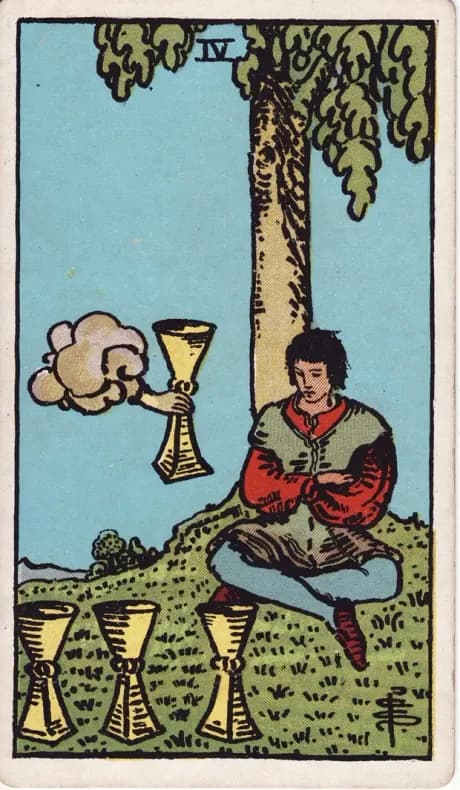
The Two of Cups with the Seven of Cups is the classic pair: real connection, no chosen direction. The Four of Cups says one of you is present but not deciding, and the Eight of Cups says one of you has already begun leaving.