When Will I Find Love? Timing in the Tarot
Tarot answers when with conditions, not dates. Love arrives after the thing the cards keep pointing at is finished — the grief, the pattern, the person you have not let go of. Aces mark beginnings and the Star marks readiness, while the Eight of Cups says the timing waits on a departure you have not made.
Pull my cards on thisCards deal the moment you tap. First reading free, no signup.
Tarot handles 'when' questions its own way — not with calendar dates but with conditions: love arrives after this lesson, during that chapter, once a certain door finally closes. Reading timing means reading readiness. The deck shows what season your heart is actually in, which is a better predictor than any app's algorithm.
Which cards speak to this
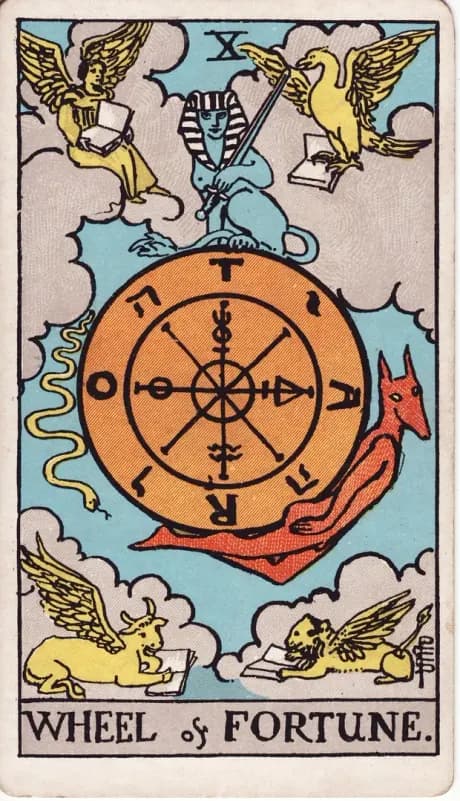
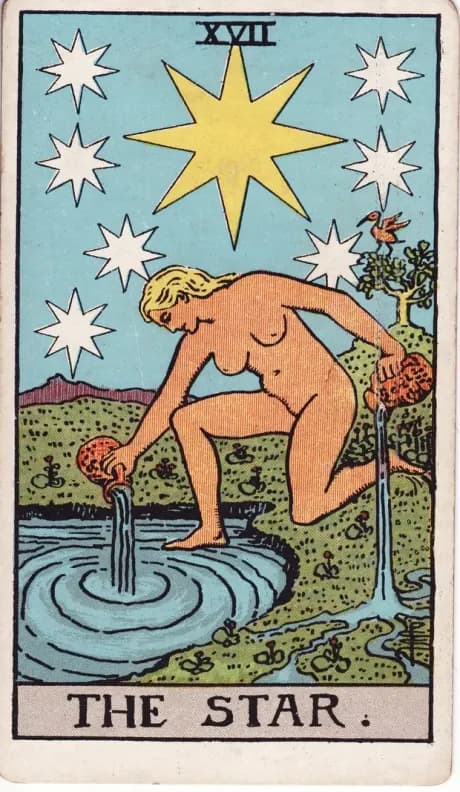
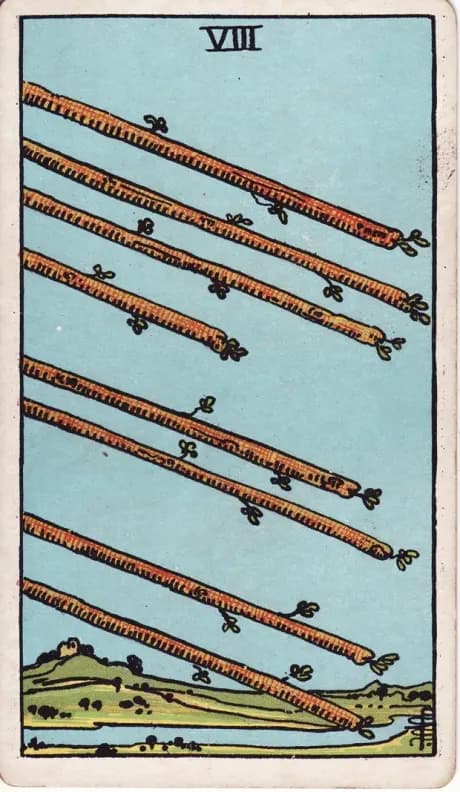
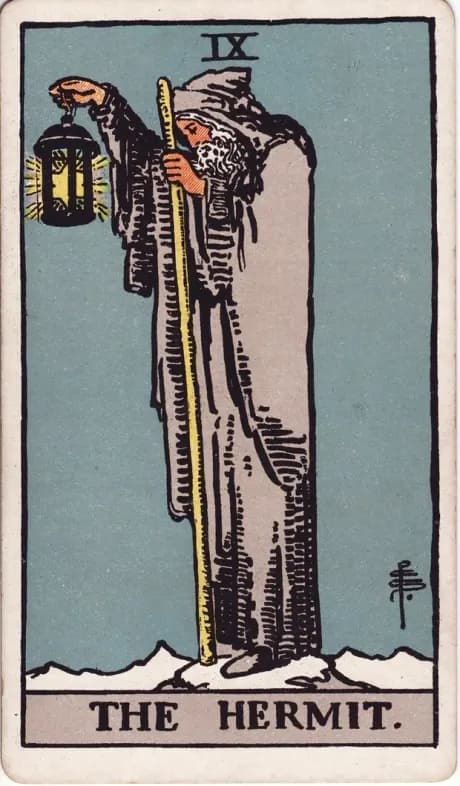
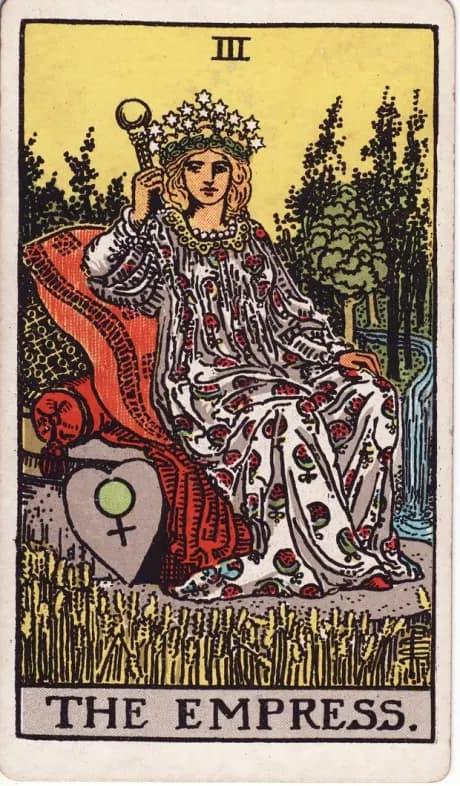
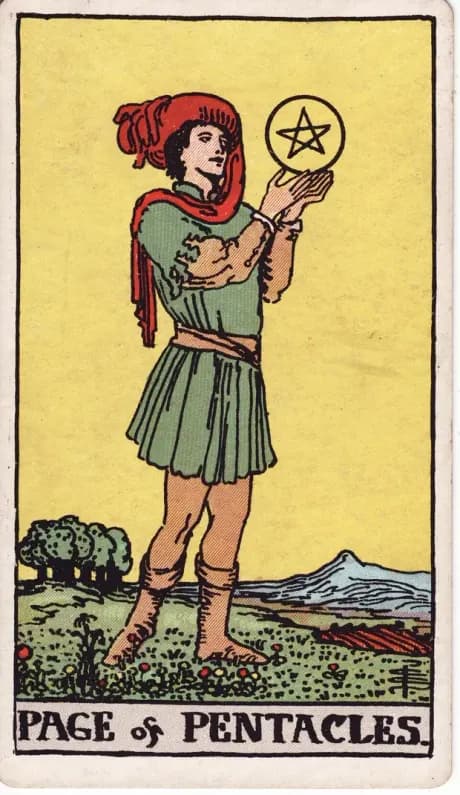
The Wheel of Fortune says timing is turning in your favor — often within a cycle already in motion. The Star places love after the healing completes: soon, if you stop picking the scab. The Eight of Wands means fast — weeks, not years, once things start moving. The Hermit honestly answers 'after the solitude finishes its work.' Court cards hint at the person approaching. The Empress says love arrives when you're already flourishing — abundance attracts.
What actually tells you
The signs that the answer is soon are almost entirely about circumstance rather than about fate, and they are countable.
The first is exposure. How many new people have you had a real conversation with in the last month? For most people the honest answer is zero, and that number, not luck, explains the timeline. Relationships form where the same people recur — a class, a team, a regular thing.
Second: whether you are recognisable to yourself. People who have recently rebuilt a routine, taken up something, or come out of a difficult period tend to meet someone shortly after, because they have become someone who is doing things rather than waiting.
Third: the state of the last one. If the previous relationship still gets the last thought of the day, the space is occupied. This is the most common reason a long stretch continues, and it is invisible from outside.
And a sign that the timeline is longer than you would like, said kindly: if the search has become the identity — if being single is the thing you are working on — that framing tends to make every meeting an audition, and auditions are not how this happens.
How long this usually takes
No honest reading gives a date, and this is the question most often answered dishonestly. What can be said is what shifts the odds.
Frequency of new contact dominates everything else. Someone in a weekly activity with a stable group of new people meets partners at a completely different rate from someone whose week is work and home, and the difference is not personality.
Age changes the shape but less than people fear: intervals lengthen, and the proportion of relationships that begin through friends and shared activity rises sharply. What falls away is meeting people by accident.
And there is a lag worth naming. Most people are not available for something real until roughly six months to a year after a serious relationship ends — the previous one has to stop being the main story first. Time spent in that period is not wasted; it is the prerequisite.
So the truthful timing answer is that the interval is mostly a function of two things you control — availability and exposure — and neither of them is a date.
What to do with this
Pick one recurring commitment and keep it for three months. This is the whole of the practical advice and it outperforms everything else, because it manufactures the only condition that reliably produces relationships: repeated contact with the same new people.
Second, deal with the occupancy. If there is someone still living in your head, close it — say the thing, block the number, have the conversation. Availability is not a mood; it is a vacancy.
Third, lower the stakes per meeting. The single biggest self-inflicted problem is treating every new person as a candidate, which makes you tense and makes them a test. Most relationships begin from an interaction that neither person considered important.
And be sceptical of anything that promises a month. If you want a spread to be useful here, ask it what is currently in the way rather than when it ends. The first has an answer that changes what you do this week; the second has an answer that changes nothing even if it were true.
What this question usually gets wrong
The first misreading is that this is a timing question at all. It is nearly always an availability question wearing a calendar. Asking when produces waiting, and waiting is the state least likely to produce the outcome.
Second: believing that being ready is a prerequisite. Plenty of people meet someone while distinctly unready and it works out; plenty of very well-prepared people meet nobody, because preparation is not exposure.
Third: reading a long single period as a signal about worth. The strongest predictors of how long someone is single are routine, geography and social circle size — not attractiveness, not personality, and certainly not deserving.
And the honest limit, stated once: no card knows the month. Anyone giving you one is trading on hope. What a reading can do is show what is occupying the space and what pattern keeps repeating — and that is the part of this question you can act on tomorrow.
The cards' favorite trick with timing questions: showing you that 'when' depends on a 'what' you control.
Pull the spread, get your assignment, and watch the timeline shorten.
Cards in this answer
Questions people ask next
Can tarot predict when I'll meet someone?
+
No, and a date offered by any reader is invented. What a spread can genuinely read is whether you are currently open, what is occupying the space, and which pattern keeps recurring.
Why has it been so long?
+
Usually exposure rather than anything about you — how many new people recur in your week. The second most common reason is that the previous relationship still occupies attention.
Does it get harder with age?
+
The mechanism changes more than the difficulty: chance meetings decline and introductions through shared activity rise. People who adapt to that shift do fine; people waiting for the old mechanism wait a long time.
Which cards mean love is coming?
+
The Ace of Cups for a beginning, the Star for renewal after a hard stretch, the Knight of Cups for someone arriving. The Two of Wands is worth noting — it says the timing depends on a decision you have not made yet.