Does He Love Me? The Cards Don't Lie
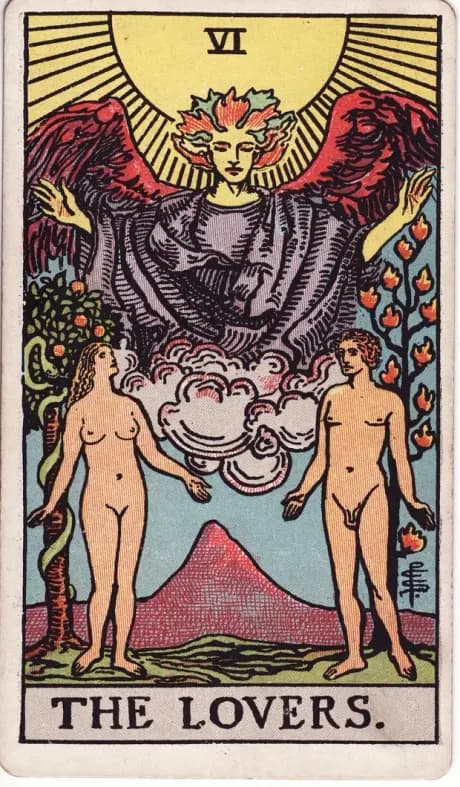
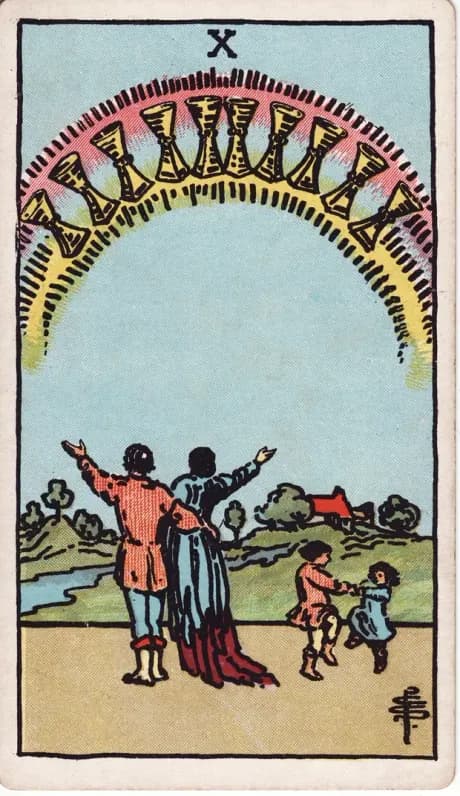
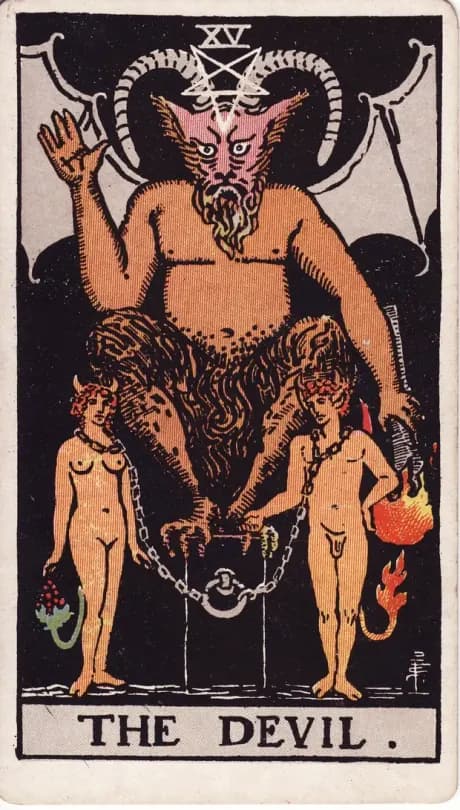
Love has a signature the cards can read, and it is consistency rather than intensity. The Two of Cups, Ten of Cups and the Lovers say yes. The Devil, Seven of Cups and Knight of Swords say something strong that is not love. Attachment feels identical from the inside and behaves completely differently.
Pull my cards on thisCards deal the moment you tap. First reading free, no signup.
There's like, there's attachment, there's convenience — and then there's love, which has its own signature in the cards. Tarot separates them mercilessly: the man who loves you, the man who loves how you make him feel, and the man who loves that you're there. Same texts, different cards. Asking the deck means being ready for whichever answer shows up.
Which cards speak to this
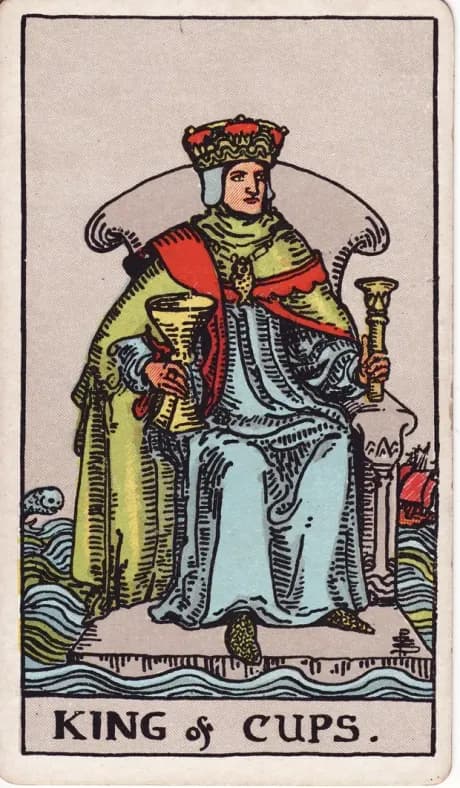
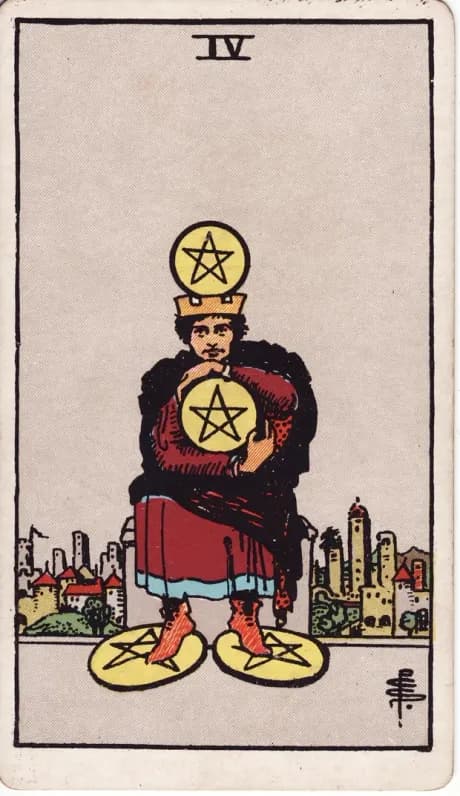
The Lovers is love confirmed — the real, chosen kind. The Ten of Cups means he sees the whole future in you. The King of Cups shows mature, steady devotion he may under-express. The Knight of Cups feels it romantically and says it beautifully. But the Devil is attachment wearing love's cologne — hunger, not devotion. And the Four of Pentacles loves keeping you more than knowing you.
What actually tells you
Love is boring to identify and dramatic to feel, which is why people look for it in the wrong register. The reliable signs are structural, not emotional.
He makes plans that assume you exist next month. Not grand ones — dentist appointments, a wedding in autumn, a car service. Being included in logistics is the single most honest indicator there is, because logistics are where people put what they actually expect to keep.
He tells you inconvenient truths. Someone managing you tells you what keeps things smooth. Someone who loves you risks the awkward conversation, because the relationship matters more than the evening does.
He is the same person around his people as he is with you. Love integrates; infatuation compartmentalises.
And the one people underweight: he notices when you are different. Not when you are upset in an obvious way — when you are slightly off. Attention of that resolution is expensive and nobody spends it on someone they are passing time with.
What is not a sign, however good it feels: intensity, jealousy, grand gestures, and being unable to sleep without you. All four are common in the first three months of things that end.
How long this usually takes
There is no schedule, but there are honest averages. Most people know they are in love somewhere between month three and month six — after the chemical opening act ends and before it becomes possible to pretend nothing changed. Men, on average and with enormous variation, arrive at the word slightly earlier and say it slightly later.
What matters more than when it arrives is when it becomes visible in behaviour. Love that has not changed anything about how someone organises their life is usually still a feeling rather than a decision. The gap between the two is normally weeks; if it has been many months, that gap is the actual answer to your question.
There is also a pattern worth watching for at the one-year mark and again somewhere around two. Both are points where the relationship stops being carried by novelty and has to be carried by choice. Feelings that were never a decision tend to surface as doubt at exactly those moments.
If you are asking this in the first eight weeks, the honest answer is that nobody knows yet — including him, whatever either of you says at 2am.
What to do with this
Stop collecting evidence and start reading the structure. Make a short list of the last five decisions he made that involved you, and note whether you were a factor or an afterthought. That list is more accurate than anything he says, and it takes ten minutes.
If the answer keeps coming back ambiguous, ask him. Directly, sober, not during a fight and not as a test. The answer to "where do you think this is going" is informative whatever it is, including a stalling non-answer — which is itself a clear reply.
If you are avoiding asking because you already know, that is the finding. People do not usually need external confirmation of love; they need external permission to accept its absence.
And if things are good and you are asking anyway: notice whether the question is about him or about an older fear. Asking a spread whether he loves you when the honest question is whether you are lovable will produce an answer that does not land, because it was aimed at the wrong target.
What this question usually gets wrong
The first misreading is treating love as the qualifying question. It is not. Plenty of relationships end between two people who love each other, and plenty of people are loved badly. What determines the next year is whether he is willing to act on it — and that is a separate question you can ask separately.
The second is reading intensity as depth. The most intense phase of a relationship is the least informative, because it is chemically underwritten and identical in relationships that last and relationships that do not.
The third is the words-versus-actions trap, run backwards. People know to distrust words without actions. Fewer notice the reverse: consistent action with no words at all is common and often genuine, particularly in men who were raised where the word was not used. Silence is not proof of absence.
And the honest limit: a card does not audit another person's heart. What a spread does well here is separate what is being felt from what is being done — and in this question, that separation is almost always the thing you came for.
Love shows up in the cards the way it shows up in life: as choice, consistency and the whole picture.
Pull the spread — then compare it against his behavior. The two readings should match.
Cards in this answer
Questions people ask next
Does he love me if he never says it?
+
Possibly. Some people were raised without the word and express it entirely through action. Look at whether you appear in his plans, his money and his difficult conversations. If those are absent too, the silence is not stylistic.
What's the difference between love and attachment?
+
Attachment is about the discomfort of losing you; love is about wanting your life to go well even where it costs him. The test is how he behaves when your interests and his diverge — attachment gets tighter, love gives ground.
How long before someone knows they're in love?
+
Most people land somewhere between three and six months, once novelty stops doing the work. Anything declared in the first weeks is real as a feeling and unreliable as a forecast.
Which tarot cards mean love?
+
The Two of Cups for mutual recognition, the Ten of Cups for a shared life, the Lovers for a choice being made rather than a feeling being had. The Knight of Cups is offer, not commitment — a distinction that matters here.