Will He Change? What the Tarot Really Says
People change when the cost of not changing becomes higher than the effort of changing — rarely because they are loved enough. Tarot can show whether the movement is real or performed, which is the distinction that matters when you have heard the promise before.
Pull my cards on thisCards deal the moment you tap. First reading free, no signup.
The question is usually asked after a promise. He has said he will do better, and some part of you believes him and some part has been here before. This page is not about whether people can change — they can, routinely and substantially. It is about the difference between change and the appearance of it, because that difference is measurable and it is what you actually need.
Which cards speak to this
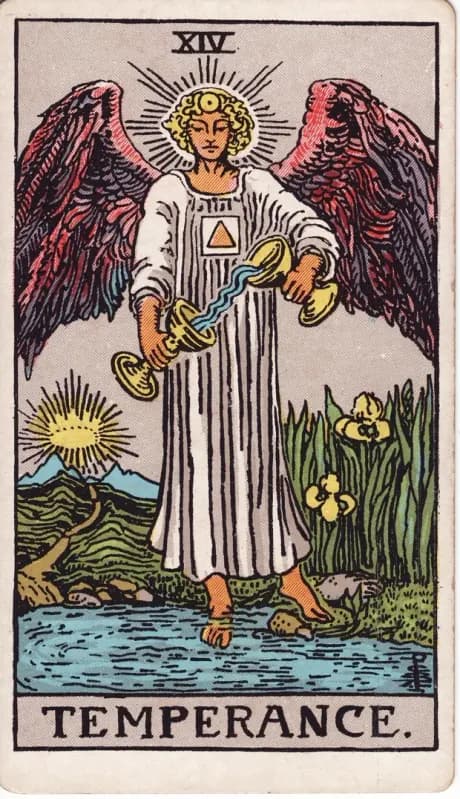
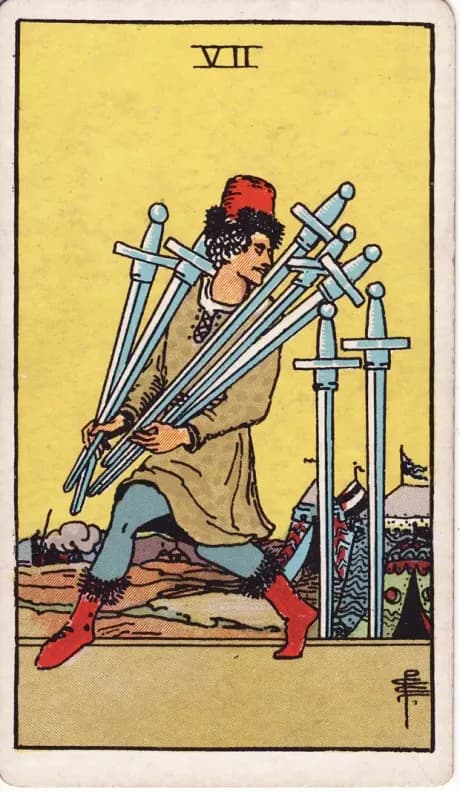
The Judgement card is genuine reckoning — someone seeing themselves clearly and acting on it. Temperance is the slower version: real change, unspectacular, in progress. The Devil is the counterweight and the most honest card in this spread when it appears: a pattern that has become a chain, held in place by something both people are getting from it. The Seven of Swords says the change is being performed rather than made, and the Wheel of Fortune says you have been at this exact point before.
What actually tells you
Real change is boring and early. It shows up as small, unglamorous, immediate differences — a habit altered this week, not a plan for next month.
The strongest sign is that he changes something you did not ask for. Someone who has genuinely seen the problem finds other examples of it themselves. Someone managing you addresses exactly the item on the list and nothing adjacent.
Second: he does not need credit. Change performed for an audience produces frequent reminders of how hard he is trying. Change that is real is mostly invisible and slightly awkward.
Third: it survives the good period. The reliable pattern in performed change is that it holds while things are tense and dissolves within weeks of the relationship feeling safe again. If you have watched that cycle twice, the third round is not new information.
And the counter-sign that decides most of these: whether he can describe the problem without you in the sentence. If the account is still about your reaction rather than his behaviour, nothing has been understood yet.
How long this usually takes
Genuine change shows within the first two to three weeks, imperfectly. That is the key point — you are not looking for success, you are looking for attempts. Someone who is going to change starts badly and soon. Someone who is not starts impressively and later.
The meaningful window is about eight to twelve weeks. Long enough for the first burst of effort to fade if it was only a burst, short enough that you have not built another year on it.
Watch for the return to baseline specifically. Most performed change collapses somewhere between week three and week six, usually right after a good stretch. That collapse is not a relapse to be forgiven; it is the pattern completing.
And count the rounds. If this is the third or fourth version of the same promise, the honest timeline is that the previous cycles are the best available prediction of this one, and they say what they say.
What to do with this
Make it specific and behavioural. Not "be more considerate" — a named action, in a named situation, that either happens or does not. Vague requests cannot be met and cannot be failed, which is why they generate years of the same conversation.
Then say what it means to you plainly, once, and set a period. Eight weeks is a good length. Tell him it is a period. People change far more reliably when the stakes are stated than when they are implied.
Do not manage the change. Reminding, checking, praising each instance — all of it moves the responsibility to you and turns his behaviour into a project you are running. If it needs your maintenance it is not change.
And decide in advance what you will do if the eight weeks pass unchanged. That decision is much harder to make afterwards, in the presence of a good week and a fresh apology.
What this question usually gets wrong
The first misreading is that love causes change. It does not, reliably. People are changed by consequence, self-recognition and occasionally by therapy — being loved more patiently tends to reduce the pressure rather than increase the motivation.
Second: treating the apology as the change. Apologies are real and they are cheap. The relevant question is what is different on an ordinary Tuesday three weeks later.
Third: believing potential is a fact about him. Potential is a description of a person who does not exist yet, and relationships with that person go badly because he is never in the room.
And the honest limit: a card does not predict another adult's future conduct. What a spread reads well here is whether what is happening now is movement or performance — and if you have been through this cycle before, that is the only question you still need answered.
What would you need to see, specifically, in eight weeks?
If you cannot name it, the promise cannot be kept — not because he is lying, but because nothing has been agreed.
Cards in this answer




Questions people ask next
Can people really change?
+
Substantially and often — usually when a real consequence arrives, or when they see themselves clearly enough to be uncomfortable. Being loved patiently is rarely the trigger, which is the hard part of this answer.
He apologised and then went back to normal. What now?
+
That is the pattern completing rather than a relapse. Count how many times it has run; the count is more predictive than anything he says in the next apology.
Should I give him another chance?
+
A defined one, with something specific to watch for and a period attached. Open-ended chances are not chances; they are the same arrangement with a hopeful name.
Which cards mean someone is genuinely changing?
+
Judgement for real self-recognition, Temperance for slow honest work. The Devil and the Wheel of Fortune say the opposite — a pattern holding, or a cycle you have completed before.