Why Is He Hot and Cold? The Cards Explain
Intermittent warmth is rarely a strategy and almost always a pattern — avoidant withdrawal, an unresolved situation elsewhere, or someone who wants the connection without the commitment. Tarot reads which of those is in play, and they call for completely different responses.
Pull my cards on thisCards deal the moment you tap. First reading free, no signup.
Three days of someone who seems entirely yours, then a week of someone you barely recognise. Nothing happened in between, or nothing you can point to, and the not-knowing is worse than either state. The important thing about this pattern is that it is extremely effective at creating attachment, whether or not anyone intends it to be. Understanding why is most of the way to deciding what to do about it.
Which cards speak to this
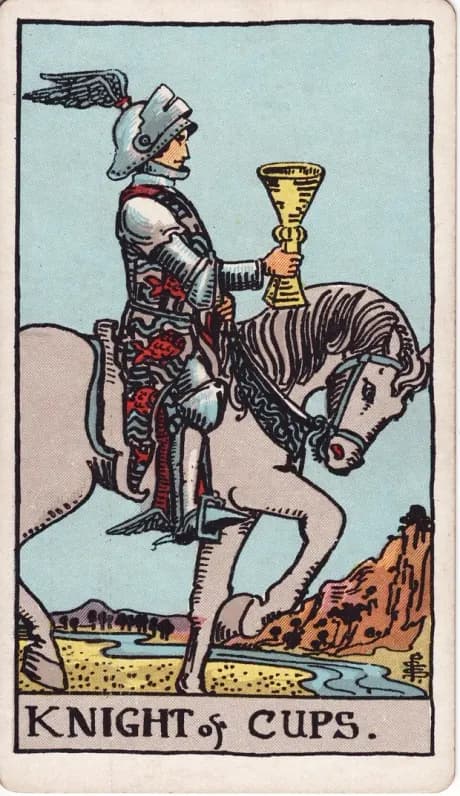
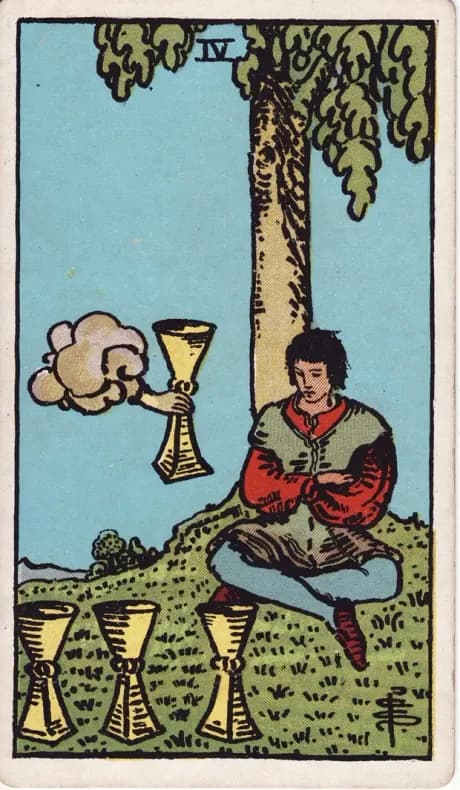
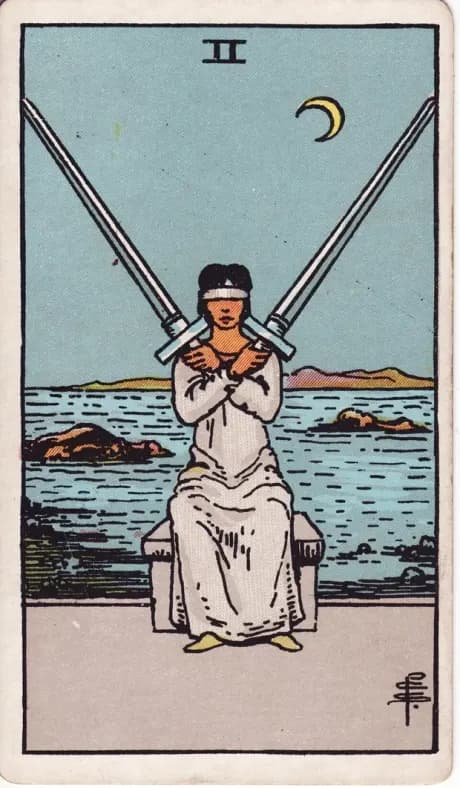
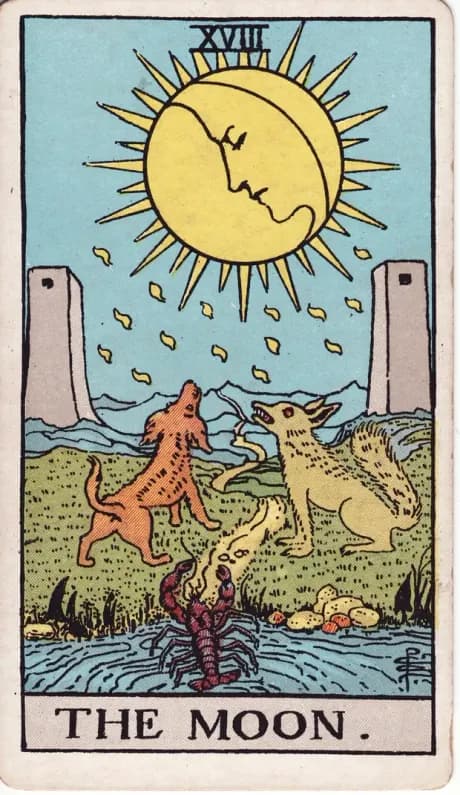
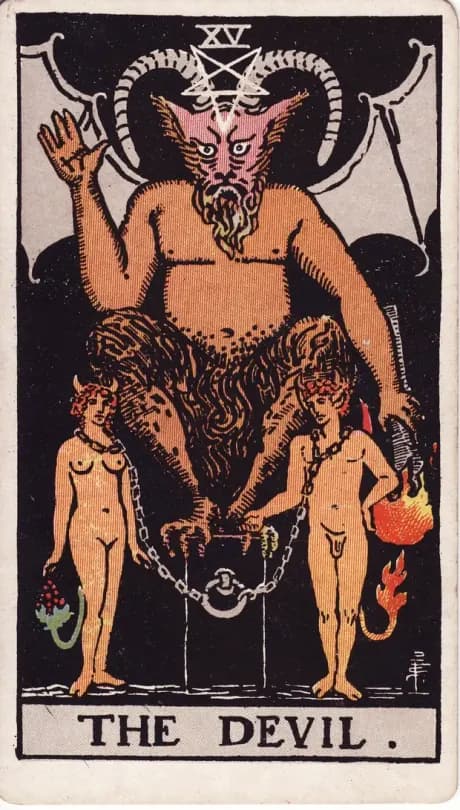
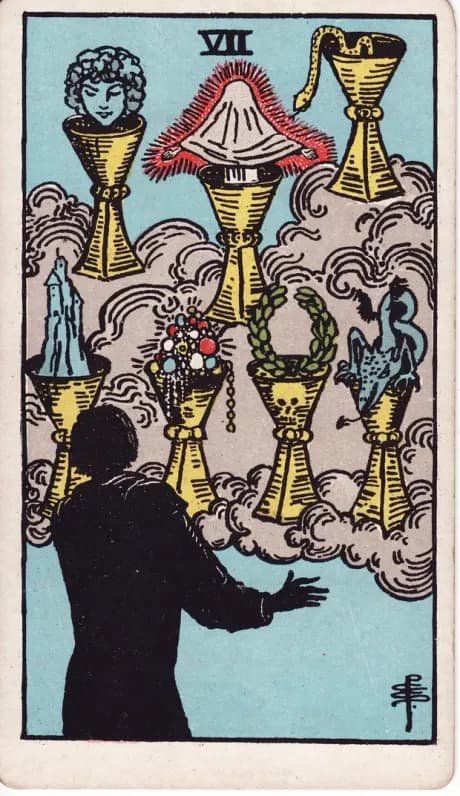
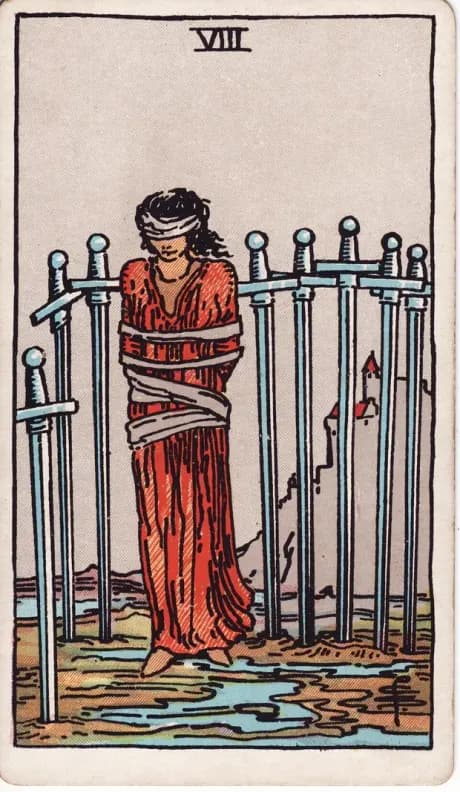
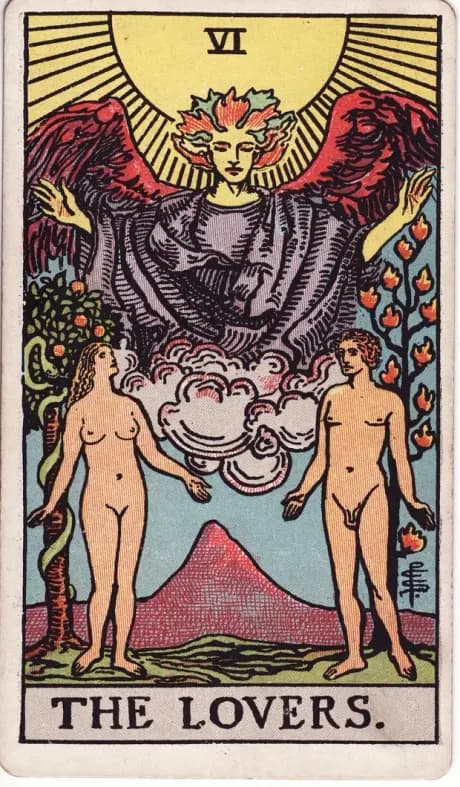
The Knight of Cups is the arriving version of him — the one who shows up with feeling and means it in the moment. The Four of Cups is the other week: present, unmoved, unavailable. The Two of Swords says he is avoiding a decision rather than making one, which is the most common engine of this pattern. The Moon says the situation contains something you have not been told. The Devil is worth reading honestly here — intermittent reward is the mechanism by which attachment becomes compulsion.
What actually tells you
The pattern has a rhythm, and mapping it tells you more than analysing any single week.
Watch what precedes the cold phase. In avoidant withdrawal it follows closeness — a good weekend, an honest conversation, a night that meant something. That is the clearest and most common shape: intimacy triggers retreat, reliably, within days.
If the cold phase instead follows nothing you can identify and coincides with periods of being generally unreachable, the more likely explanation is something else in his life — another situation, a work collapse, a low period.
Second: notice whether warmth returns when you withdraw. If distance from you reliably restores his interest, the relationship is running on the gap rather than on you, and that dynamic does not improve with time.
And the honest test: whether he acknowledges the pattern. Someone struggling with closeness who can say so is in a different situation from someone who denies there is a rhythm at all.
How long this usually takes
The cycle length is usually consistent per person — commonly one to three weeks — and its consistency is the most useful thing about it. Once you can predict the pattern, you stop reading each cold phase as a crisis, which removes most of the damage.
There is a longer arc worth knowing. Hot-and-cold patterns that stem from avoidance can change, and they change slowly and only with the person's own effort — usually therapy, usually after something forces the issue. Waiting it out without that has a poor record measured in years.
The pattern also tends to intensify around commitment points. Moving in, meeting family, saying the word — each of these reliably produces a longer cold phase. If you can predict that, you can at least stop taking it personally.
If it has run for more than about six months with no acknowledgement from him, treat the pattern as the relationship rather than as an obstacle within it. That is what you are being offered.
What to do with this
Name it once, without heat, in a warm phase. "I notice we go through a cycle and I find the cold part hard" is factual and difficult to argue with. How he responds — recognition, denial, or turning it around — tells you almost everything about which situation you are in.
Stop adjusting your behaviour to the phases. Chasing during the cold and relaxing during the warm trains both of you into the cycle and hands him the thermostat. Staying at a constant temperature is uncomfortable for a fortnight and clarifies enormously.
Decide what you need consistently, and say what it is. Not more contact in the abstract — a specific, ordinary reliability that a person who wanted to could provide.
And be honest with yourself about the pull. Intermittent warmth produces stronger attachment than steady warmth does; that is a well-documented effect and it is not a measure of how right this is. If the intensity is the main evidence you have, it is the weakest kind available.
What this question usually gets wrong
The first misreading is that the cold phase is about you. Almost always it is regulation — someone managing their own discomfort with closeness — and it would happen with anyone who got close enough.
Second: treating the warm phase as the real him and the cold as an aberration. Both are him. The relationship is the pattern, not the good weeks, and planning around the good weeks is how people spend years here.
Third: believing consistency can be earned. More patience, more understanding, less asking — these reliably extend the pattern rather than resolve it, because they remove the friction that might otherwise force a change.
And the useful limit of a reading: it will not tell you what he is thinking during the silence. What it does well is name which engine is running — avoidance, a divided situation, or simple disinterest dressed up as complexity — and those three look identical from the inside while requiring completely different decisions.
Which version of him would you be choosing, if you had to pick one and keep it?
You have only ever been offered one of them permanently, and it is not the warm one.
Cards in this answer
Questions people ask next
Is hot and cold behaviour manipulation?
+
Usually not deliberate. Most of it is avoidant regulation — closeness produces discomfort, distance restores it. The effect on you is the same either way, which is why intent matters less than the pattern.
Should I pull away too?
+
Matching the cycle usually escalates it. Staying at a steady temperature and saying plainly what you need is less satisfying and far more informative — it shows you quickly whether anything can change.
Why do I feel more attached when he's distant?
+
Because intermittent reward produces stronger attachment than consistent reward. It is a documented effect and it means the intensity you feel is evidence about the pattern, not about the person.
Which cards show hot and cold?
+
The Knight of Cups and the Four of Cups together — the arriving version and the absent one. The Two of Swords for the avoided decision underneath, and the Devil when the cycle has become compulsive.