Twin Flame Reunion: What the Cards Say
The cards treat twin flame as a pattern rather than a category: instant recognition, cycles of rupture and return, growth that hurts on the way through. The Tower with the Star is the classic signature. Reunion shows up when both people have finished the lesson that separated them, not when one of them gets lonely.
Pull my cards on thisCards deal the moment you tap. First reading free, no signup.
Whether you believe in twin flames literally or treat it as a name for the-connection-that-won't-die, the pattern is real: two people who separate, orbit, and collide again, each round more intense. Tarot maps where you are in that cycle — separation with purpose, reunion approaching, or a loop mistaking intensity for destiny. That last one matters: not every unkillable connection is a mission. Some are just very persistent lessons.
Which cards speak to this
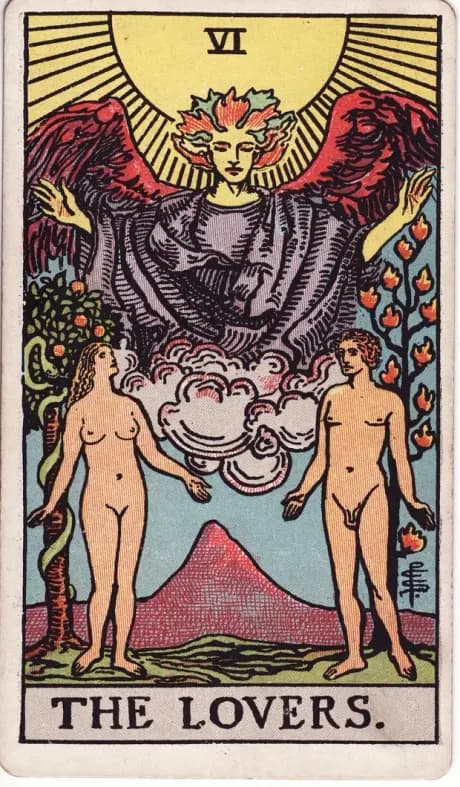
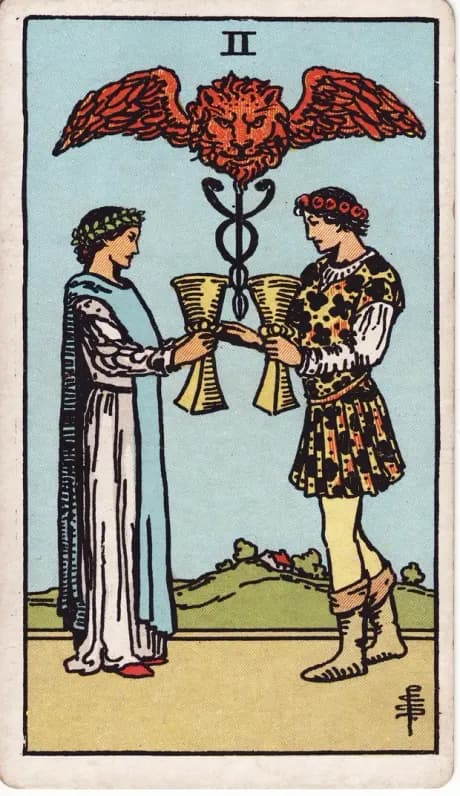
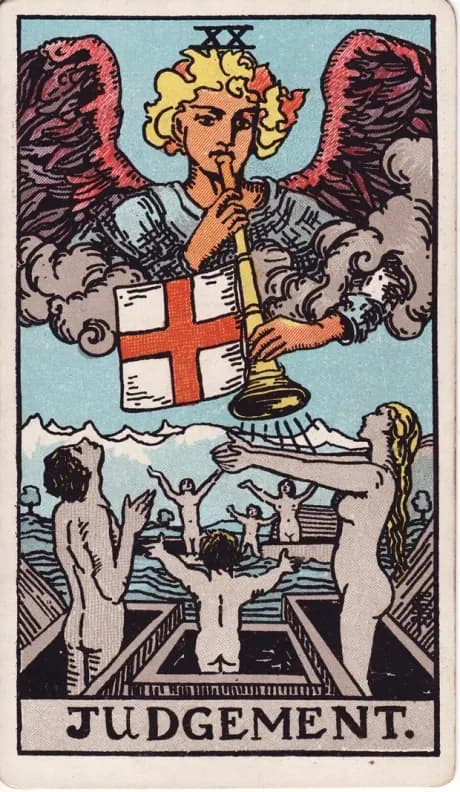
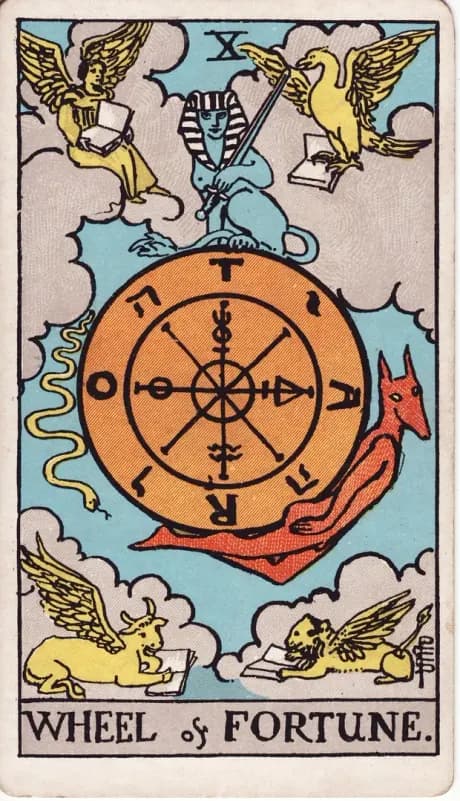
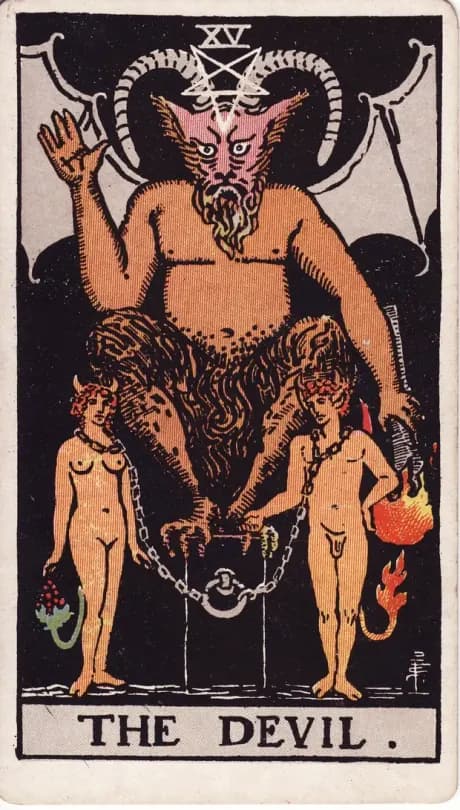
The Lovers is the union card — alignment of values, not just souls. The Two of Cups shows the mirror-bond flowing both ways. Judgement is the awakening that precedes true reunion: both people upgraded. The Wheel of Fortune spins the timing of collision. But the Devil warns when 'twin flame' is the costume obsession wears, and the Hanged Man says the separation phase still has teaching left to do.
What actually tells you
Within the twin flame framework, reunion is described as arriving after a period of separation in which both people have done real work — not after one person waited well. That distinction is the whole of it, and it is the part most often dropped.
The signs the framework itself names are internal: the obsessive pull quiets, you stop tracking them, your life becomes genuinely yours again. Reunion is said to follow that state rather than to end it. If nothing about your daily life has changed since the separation began, the framework's own logic says you are not near a reunion, however intense the longing.
The external signs people look for — repeating numbers, dreams, sudden thoughts — are the least reliable part of it. They intensify with attention, which means they measure how much you are thinking about someone rather than anything about them.
And the honest sign that this is worth continuing to hold: they treat you well when present. Twin flame language is frequently used to explain away someone who is unkind, unavailable or intermittent. Intensity is not evidence of destiny. It is often evidence of inconsistency, which produces exactly the same feeling.
How long this usually takes
There is no timeline in this framework that anyone can hold you to, and that is worth saying plainly rather than dressing up. Separations are described as lasting months or years, and because no duration falsifies the prediction, the framework cannot be wrong — which is what makes it comforting and what makes it useless as a forecast.
What does have a real timeline is you. Intense preoccupation with a specific person, unrelieved, typically peaks in the first months and then either fades or hardens into a fixed feature of your life. If it has hardened — if you have been in separation for over a year with little contact and the longing has not moved — the useful question is no longer when they return. It is what the waiting is costing.
If contact does resume, the shape to watch is the same as any reconnection: does it survive daylight, does it include a conversation about what happened, does anything change. Reunions that hold look ordinary. They involve logistics and apologies, not signs.
What to do with this
Take the framework at its own word and do the part it actually asks for. Every serious version of this teaching says the separation is for individuation — that the work is on yourself, not on the connection. So do that work, in the concrete sense: therapy if you can, friendships, the thing you stopped doing when this began.
Then apply one test, gently. Ask whether the twin flame language is helping you understand your life or helping you tolerate something you would otherwise not accept. Both happen. The framework can be a genuinely useful way of holding a profound connection, and it can be an elaborate reason to stay attached to someone who treats you badly — and from the inside those feel identical.
If there is a real person on the other end and you want contact, make it plainly. Not through signs, not through waiting for alignment. A message.
And if the honest answer is that the connection has been over for years and the framework is what keeps it alive, that is worth knowing, and it is not a failure of yours.
What this question usually gets wrong
The first misreading is that intensity proves destiny. It does not. The strongest pulls people describe are frequently produced by inconsistency — intermittent attention creates a stronger attachment than steady attention does, which is a well-documented effect and has nothing to do with fate.
Second: the runner-and-chaser story used as a reason to keep chasing. In its original form the framework describes both people running from the intensity. The version where one person waits indefinitely for the other to be ready is not a spiritual position; it is a description of an unavailable partner.
Third: treating synchronicities as messages. Seeing their initials, the number sequences, hearing the song — these increase as your attention narrows and do not vary with anything the other person does. They measure your focus, faithfully.
And the limit worth naming: no reading can tell you whether a specific person is your twin flame, and this site will not pretend otherwise. What a spread can honestly show is what the connection consists of now, what is holding it in place, and whether the thing keeping you attached is coming from them or from you.
Pull the cards and ask: does this connection make me larger or just louder?
The real twin flame test isn't intensity — it's growth. Reunion follows readiness, never replaces it.
Cards in this answer
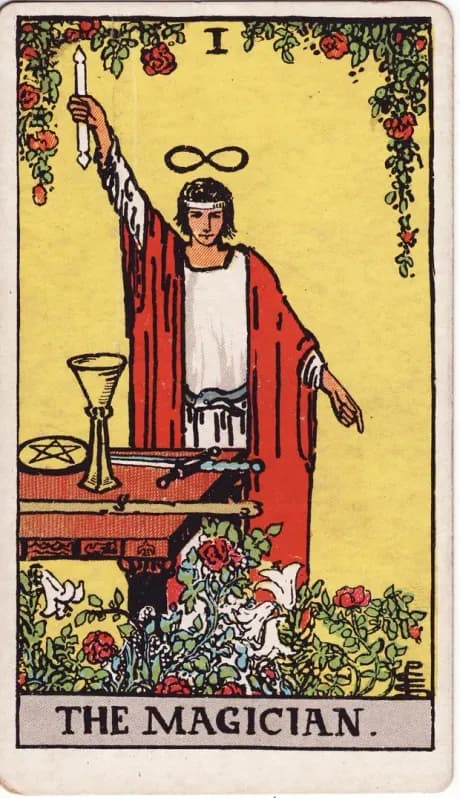
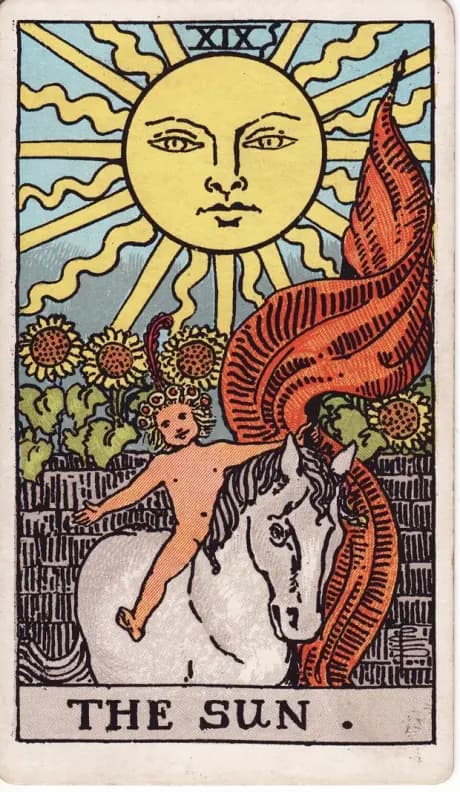
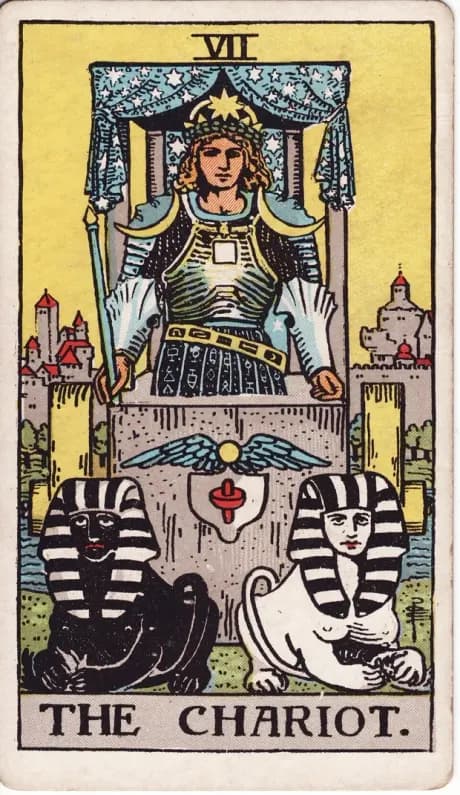
Questions people ask next
How long does twin flame separation last?
+
There is no answer the framework can be held to — months or years, with no duration that disproves it. That is worth knowing before you organise years around waiting for it to end.
Is the runner-chaser dynamic real?
+
The pattern people describe is real; the explanation is contested. Intermittent availability reliably produces exactly this feeling, which is a simpler account and a less flattering one.
Do twin flames always reunite?
+
Many descriptions say yes, which is precisely why the claim cannot be tested. Treat it as a way of holding an experience rather than as a prediction you can plan around.
Which cards appear around twin flame connections?
+
The Lovers for a bond that involves a choice, the Tower for the rupture, the Star for what comes after it, the Two of Cups for genuine mutual recognition. The Devil is worth reading honestly here — it speaks to attachment that has become a chain.