Will This Relationship Last? What Tarot Shows
Nothing can promise a duration, but the factors that predict one are unusually well understood — repair after conflict, shared direction, and whether both people are still trying. Tarot reads the current state of those, which is a better guide than any forecast.
Pull my cards on thisCards deal the moment you tap. First reading free, no signup.
People ask this at two moments: when things are good and it feels fragile, and when things are hard and it feels finished. The question is the same and it means opposite things. What follows is not a prediction, because a prediction would be dishonest. It is a description of what actually determines whether a relationship holds — most of which is visible right now, in how the two of you handle an ordinary bad week.
Which cards speak to this
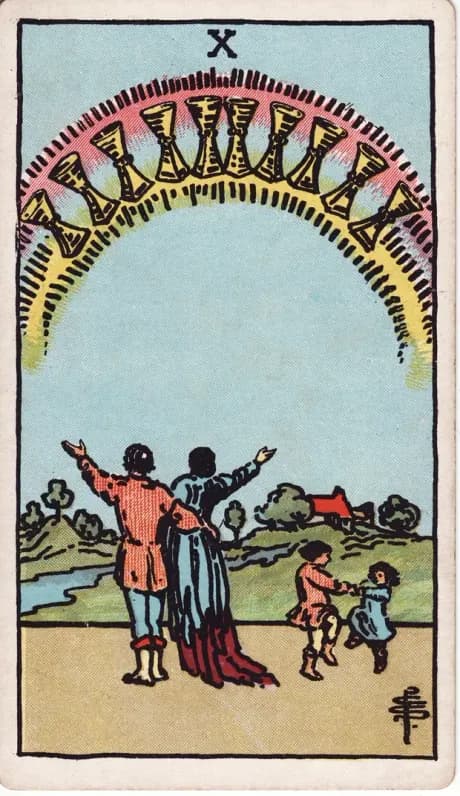
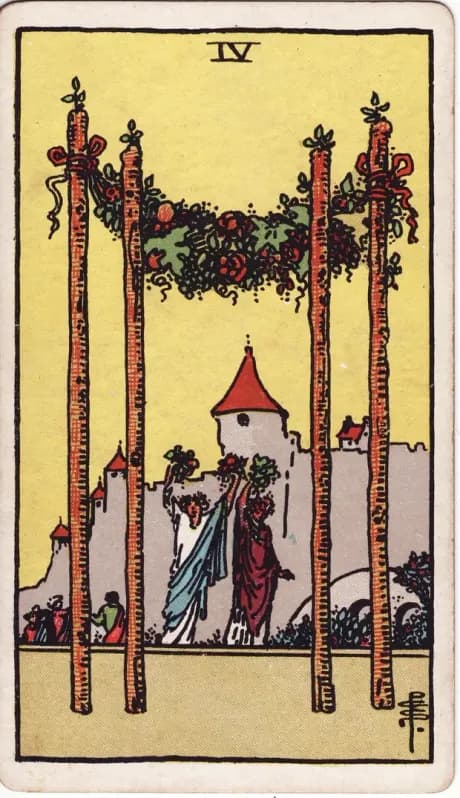
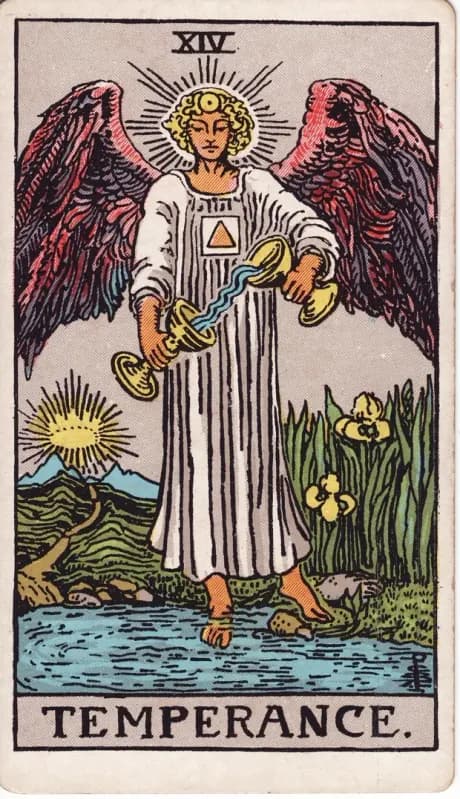
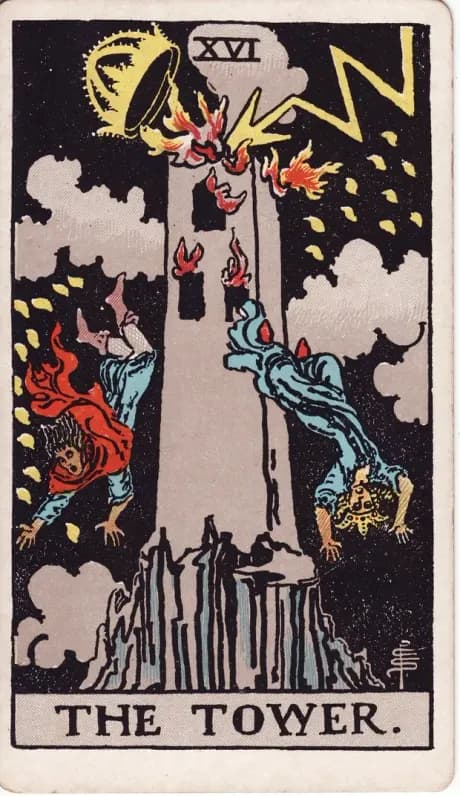
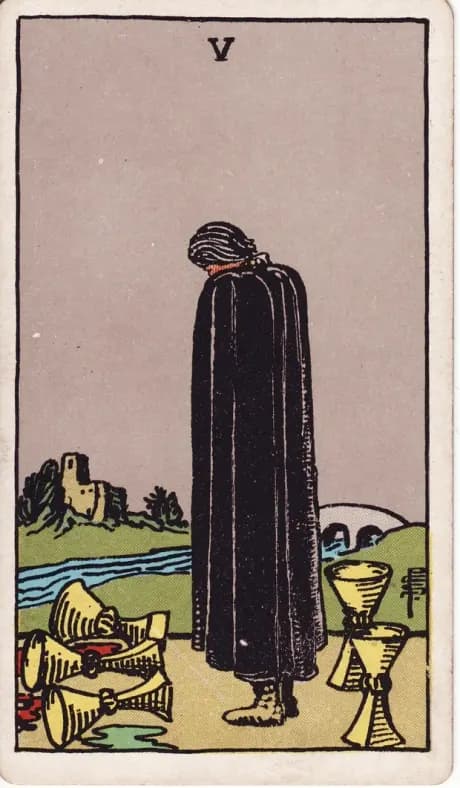
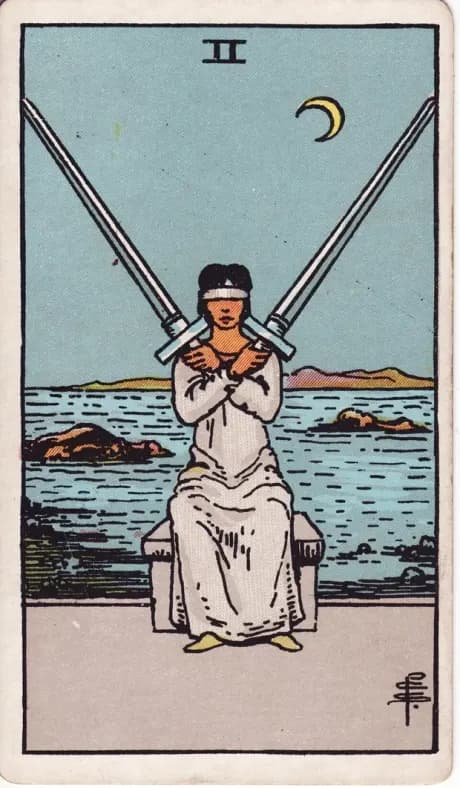
The Ten of Cups is the long-arc card: a life that works, built rather than found. The Four of Wands says the foundation is sound and public. Temperance is the quiet one and often the most encouraging — it describes two people successfully mixing, which is the actual work. Against those, the Tower speaks to a structure that cannot hold in its current form, the Five of Cups to a couple grieving something they have not discussed, and the Two of Swords to a decision both of you are refusing to look at.
What actually tells you
The strongest predictor is repair. Not the absence of conflict — the reliability of the mending. Couples who fight and reliably reach back afterwards outlast couples who never argue and never resolve anything, and it is not close.
Second: whether you describe the problems the same way. Two people who can state the difficulty in compatible terms are dealing with a difficulty. Two people whose accounts share no facts are in different relationships.
Third: direction of effort over months. Effort that is roughly matched and roughly steady predicts well. Effort that has been one-sided for a season predicts poorly, regardless of how large it is.
And the quiet one: whether you still ask each other questions. Curiosity is the first thing to go and the last thing anyone notices. When neither of you is finding anything new, the relationship has become a routine, and routines are fragile in a way that feels like stability.
How long this usually takes
Relationships have identifiable pressure points and knowing them prevents a normal phase being read as a verdict.
The first is somewhere between six months and a year, when novelty stops carrying it and the thing has to be chosen. The second is around two years, when the accumulated small compromises become visible. The third arrives with any forced decision — moving, money, families, children — because those surface what was already unresolved rather than creating it.
Between those, most relationships drift in a way that is neither good nor bad and does not predict much.
If you are inside a rough patch, the useful timeline is short: give a defined, mutual, honest effort six to twelve weeks. That is long enough to know and short enough to survive. What predicts badly is an open-ended attempt with no agreement that an attempt is happening.
What to do with this
Stop forecasting and start testing. Pick the one thing that most reliably goes wrong between you and change how it is handled for two months. Not everything — one thing. Relationships are rarely saved by a summit and frequently changed by a single altered habit.
Say out loud that you want it to last. It sounds obvious and a surprising number of couples in trouble have never said it, which leaves both people defending themselves against an exit neither has proposed.
Then check the practical layer nobody finds romantic: money, geography, children, how much time alone each of you needs. Long relationships are ended by these far more often than by feeling, and they are the most fixable if raised early.
And if there has been the same conversation three or four times with the same promise and the same fade, count it honestly. Repetition is the most predictive information you have.
What this question usually gets wrong
The first misreading is that lasting is the goal. Plenty of relationships last and should not have; duration is not the same as a good life. The better question is whether this one is worth the years, not whether it can be made to survive them.
Second: reading a rough patch as a verdict. Almost every long relationship contains at least one year that both people would rather not repeat. The couples who came through them are not the ones who never had the year.
Third: mistaking peace for health. Couples who have stopped arguing have often stopped negotiating, and negotiation is where a relationship gets adjusted to two changing people.
And the limit worth saying plainly: no card predicts a duration, and anyone who gives you one has left honesty behind. What a spread reads well is the load-bearing structure — what is holding this up, what has cracked, and whether the crack is in something that can be repaired.
What would have to change for you to stop asking this?
If the answer is something concrete, that is your work. If the answer is nothing, the asking is the finding.
Cards in this answer
Questions people ask next
What percentage of relationships last?
+
The statistics vary so widely by age, country and definition that they tell you nothing about yours. What generalises is the behaviour: repair after conflict, matched effort and a shared account of the problems.
Can a relationship survive a betrayal?
+
Yes, and it takes longer than expected and requires the person who broke it to carry the repair. It fails most often when the rebuilding is left to the person who was hurt.
We never fight. Is that good?
+
Not necessarily. Absence of conflict often means absence of negotiation, and unspoken disagreements accumulate. What matters is whether difficult things get raised, not whether they get raised loudly.
Which cards mean a lasting relationship?
+
The Ten of Cups for the long shared life, the Four of Wands for a sound foundation, Temperance for two people genuinely blending. The Tower and the Two of Swords both say something structural is unresolved.