Is New Love Coming? Signs in the Cards
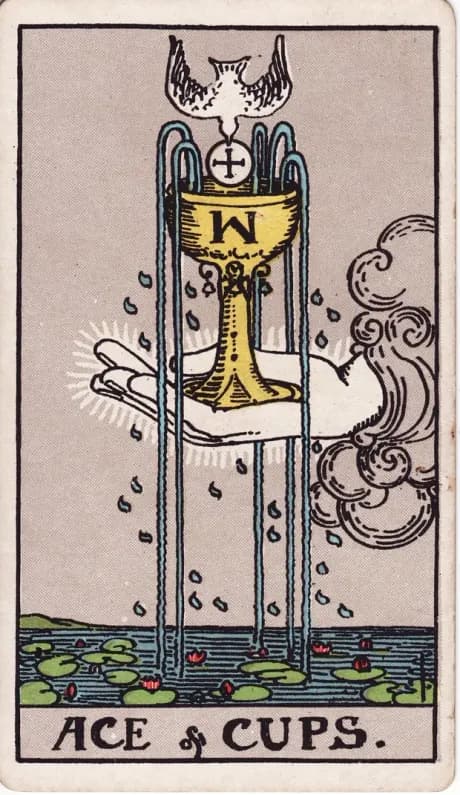
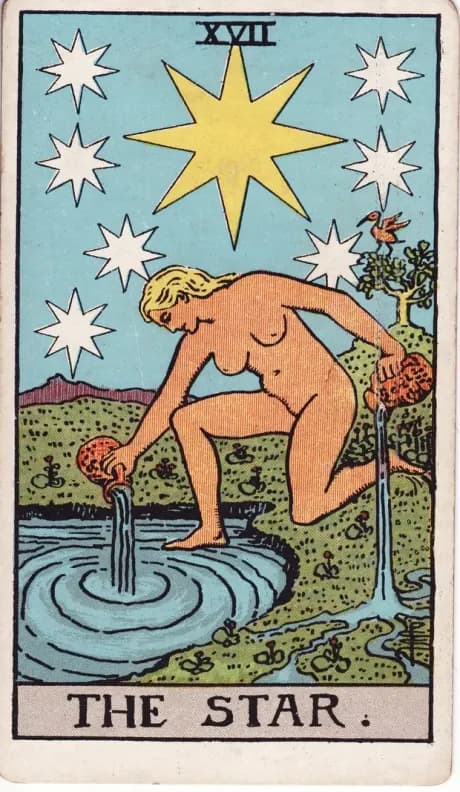
Yes, and the cards care more about when you will be available for it. The Star, the Ace of Cups and the Page of Cups signal love arriving. The Three of Swords and Five of Cups say you are still facing backwards. New love tends to land after the grief finishes, not before.
Pull my cards on thisCards deal the moment you tap. First reading free, no signup.
After the ending — the healing montage, the deleted photos, the gym era — comes the question you're almost afraid to ask: is someone new actually on the way? Tarot reads approaching love like weather: the conditions forming, the direction it arrives from, and crucially, whether your harbor is actually open or still technically under repair from the last storm.
Which cards speak to this
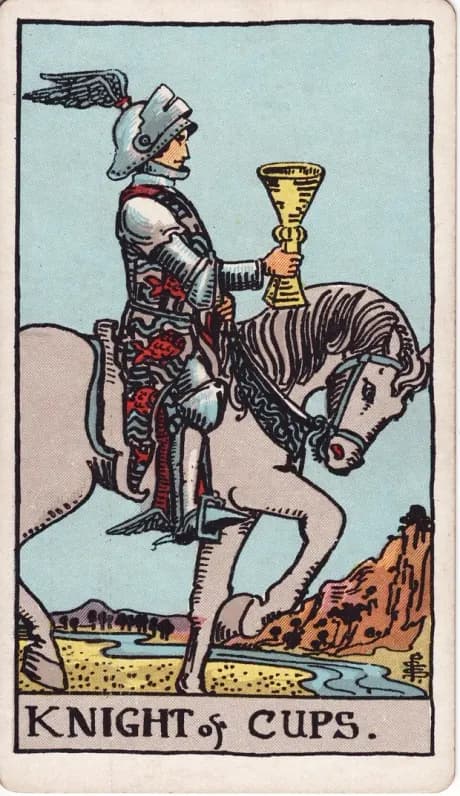
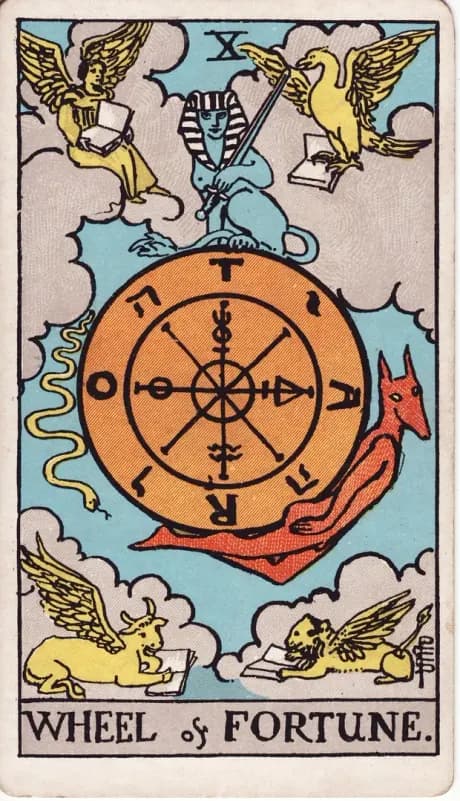
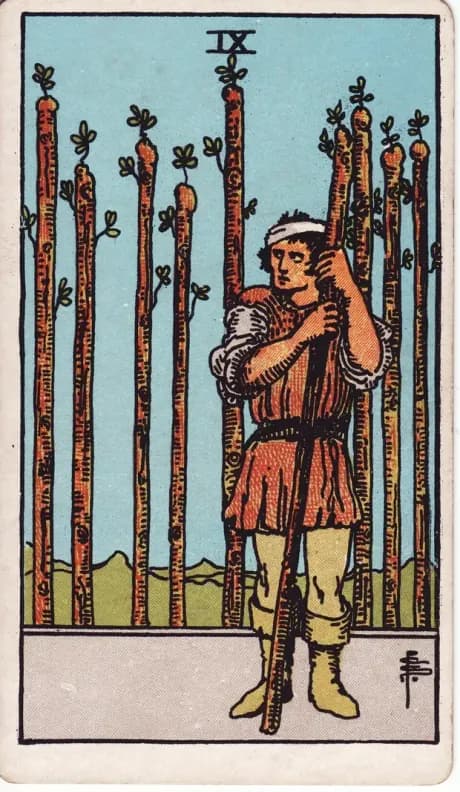
The Ace of Cups is new love's official announcement — the heart refilling for someone specific. The Star says healing is complete enough for real connection. The Knight of Cups means an admirer approaches with intentions and possibly flowers. The Wheel of Fortune arranges the chance meeting. The Page of Wands brings the exciting stranger energy. But the Nine of Wands asks the honest question: are your walls low enough for anyone to actually get in?
What actually tells you
The most reliable indicator is not about a person arriving. It is about your own availability, and it is visible.
You stop narrating your life to someone who is not there. That internal audience — the ex, the person who did not choose you — is the thing that occupies the space new love needs, and its departure is usually the first real sign.
Second: you start saying yes to ordinary things. New relationships overwhelmingly begin in circumstances people almost skipped — a colleague's leaving drinks, a friend's thing on a Tuesday. The change that precedes meeting someone is rarely mystical; it is a change in the number of rooms you are in.
Third: your standards get more specific and less defensive. Knowing what you want reads as openness; knowing what you will not tolerate reads as guardedness. Both are useful and the balance shifts when you are actually ready.
And the practical sign: you find yourself mildly interested in people again — not in a person, in people. That low-level curiosity comes back before anything happens, and it is the closest thing to a genuine forecast available.
How long this usually takes
There is no date, and any reading that gives you one is guessing with confidence. What is true is that the interval is shaped much more by your circumstances than by fate.
The predictable pattern: meeting someone new becomes substantially more likely after a change in routine. New job, new city, a new activity with the same people every week. Recurring exposure is how most relationships actually start, and it is why the answer to "when" so often turns out to be "about four months after you joined the thing".
There is also an honest note about grief. Most people are not available for something real until the previous relationship has stopped being the main character of their inner life, and that typically takes longer than the social calendar suggests — often six months to a year for a serious one. Meeting someone before then is common and rarely lasts.
So the useful timing answer is conditional rather than calendrical: it comes sooner if the space is cleared and the rooms are entered, and later if it is being waited for.
What to do with this
Change one recurring thing. Not your whole life — one weekly commitment that puts you in a room with the same people repeatedly. Almost every relationship that forms as an adult forms this way, and it is the single most controllable input.
Then handle the space. If there is still an unfinished story with someone, finish it — the conversation, the block, the decision. New love does not compete well with an unresolved old one, and the unresolved one is usually running quietly in the background.
Be specific about what you want, in writing, once. Not a checklist of traits — three things about how you want to feel and be treated. It sharpens your judgement enormously in the first weeks with someone new, which is when judgement is worst.
And let it be boring. The most common report from people in good relationships is that the beginning was unremarkable — a normal evening, someone they nearly did not message. Waiting for the version with fireworks is a way of screening out most of the good candidates.
What this question usually gets wrong
The first misreading is that new love arrives when you least expect it. It arrives when you are available, which is a different and far more actionable claim. The folk version encourages passivity, and passivity is the main obstacle.
Second: treating readiness as a feeling. Many people wait to feel ready and never do; readiness usually shows up after the first few dates rather than before them.
Third: reading a dry period as a verdict on you. The intervals between relationships are long for most people, they lengthen with age, and they say almost nothing about desirability. They say something about routine, which is fixable.
And the limit of what a spread does here: it will not name a stranger or a month. What it reads honestly is whether you are currently open or still occupied, and what is standing in the way — which is the part of this question that is actually about you and therefore actually answerable.
New love finds open doors faster than perfect people.
Pull the cards to see what's approaching — then check which locks you're still keeping 'just in case.' That's the real forecast.
Cards in this answer
Questions people ask next
How long after a breakup do people find someone new?
+
Enormously variable, and the honest predictor is not time but whether the previous relationship still occupies your attention. People who meet someone while still processing usually meet someone temporary.
Do the cards show when I'll meet someone?
+
They do not give dates, and a reading that offers one is inventing it. What a spread can show is whether you are currently available for it and what is taking up the space.
Is it true love comes when you stop looking?
+
Half true. It comes when you stop waiting — which usually coincides with going out more and caring less about each individual outcome. Stopping looking entirely tends to reduce the number of rooms you are in.
Which cards mean new love?
+
The Ace of Cups is the clearest — a new feeling beginning. The Knight of Cups is someone approaching, the Page of Cups an early message or invitation, the Star renewed hope after a difficult stretch.